The Ultimate Guide to HVAC System Winterization: Prevent Breakdowns and Save Energy
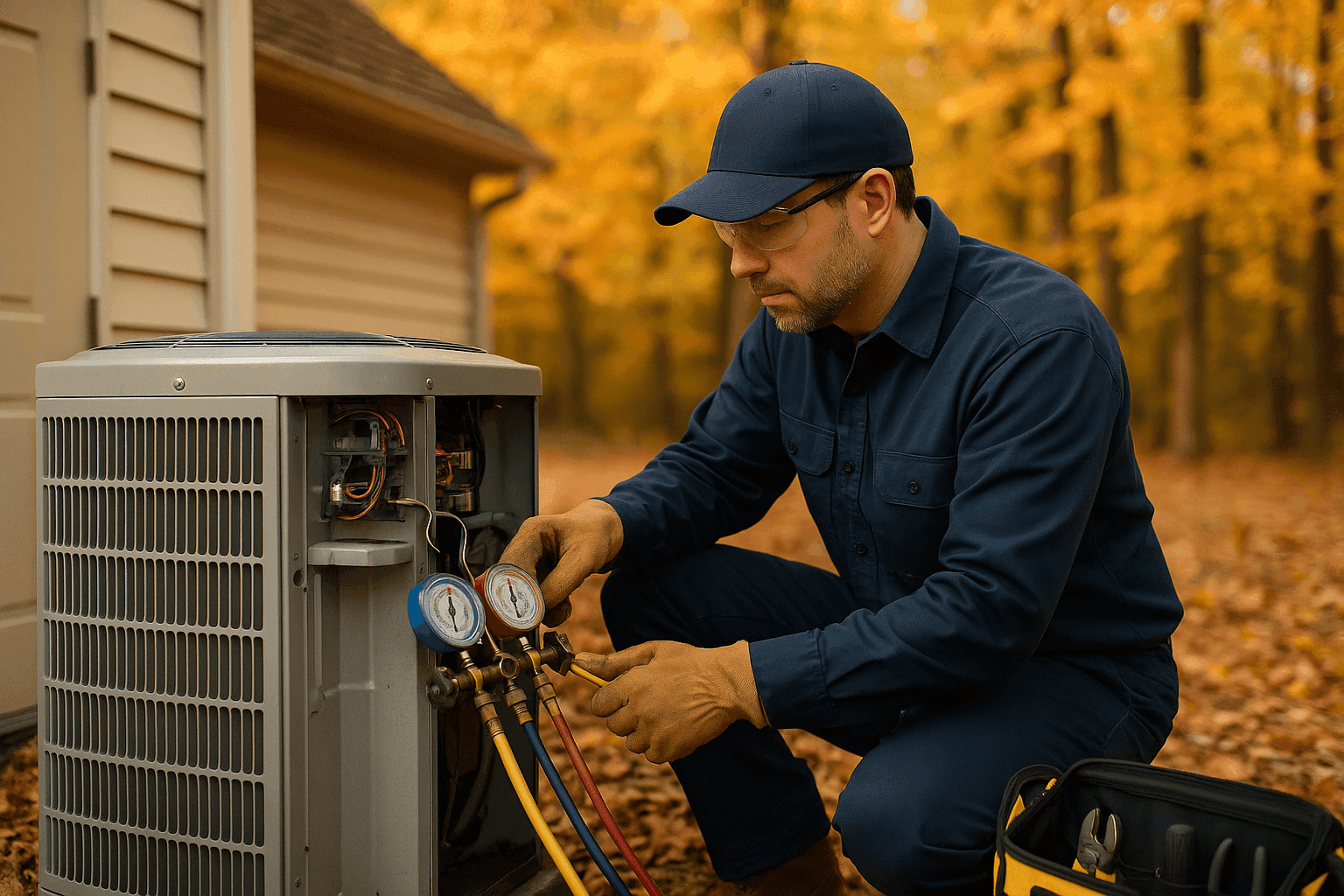
When the cold winds start to howl, your HVAC system becomes the unsung hero of your comfort. But winter can be tough on even the best equipment. One overlooked detail and you could be left shivering—or facing a costly emergency hvac call.
At CJC Heating & Air, we know the value of a warm, worry-free winter. Our team has helped countless homeowners and business owners prep their systems for the season. This guide gives you the tools, tips, and know-how to winterize your HVAC system, keep energy bills in check, and avoid those dreaded breakdowns.
Why Winterize Your HVAC System? ❄️
Think of your HVAC system like a car. You wouldn’t drive through a snowstorm on bald tires. Similarly, running your furnace or heat pump through winter without preparation invites trouble. Here’s why winterization matters:
- Prevents Breakdowns: Cold weather strains heating systems. A neglected unit is more likely to quit when you need it most.
- Saves Energy: A well-tuned system uses less fuel or electricity, lowering your bills.
- Improves Safety: Gas leaks, carbon monoxide, and electrical hazards are real risks with poorly maintained equipment.
- Protects Your Investment: Regular care extends the life of your HVAC system, saving you from premature replacements.
Neglecting seasonal prep is like gambling with your comfort and safety. According to the U.S. Department of Energy, proper HVAC maintenance can reduce energy use by up to 15%. That’s money back in your pocket—and peace of mind all winter long.
Step-by-Step Winterization Checklist
Ready to get hands-on? Here’s a straightforward checklist to winterize your HVAC system and keep it running like a champ.
- Furnace Inspection: Check for signs of wear, rust, or strange noises. Have a professional inspect burners and heat exchangers for cracks.
- Replace or Clean Filters: Dirty filters choke airflow and force your system to work harder. Swap them out every 1–3 months.
- Inspect Ductwork: Look for loose connections, gaps, or dust buildup. Seal leaks with approved duct tape or mastic.
- Test Thermostats: Make sure your thermostat is accurate and responsive. Consider upgrading to a programmable or smart model.
- Humidifier Maintenance: Clean and refill your humidifier. Replace water panels or pads as needed.
- Ventilation Check: Clear vents and registers of dust, furniture, or drapes. Ensure nothing blocks airflow.
- Backup Generator Prep: If you rely on a generator, test it before storms hit. Check oil, fuel, and battery levels.
Let’s break down the two most crucial areas: heating and cooling.
Furnace and Heating System Maintenance Tips
- Visual Inspection: Look for corrosion, soot, or water stains near your furnace.
- Pilot Light: Ensure the flame is steady and blue. Yellow or flickering flames could signal a combustion issue.
- Blower Motor: Listen for odd noises. Lubricate bearings if your model requires it.
- Safety Devices: Test carbon monoxide detectors and smoke alarms.
- Professional Tune-Up: Schedule a licensed technician for a full safety and performance check. The National Fire Protection Association recommends annual inspections for all fuel-burning appliances.
AC System Winter Prep
Even though your air conditioner is off for the season, it still needs care:
- Clean the Outdoor Unit: Remove leaves, debris, and dirt from around the condenser.
- Drain and Cover: Disconnect and drain hoses or pipes. Cover the unit with a breathable, waterproof cover—never use plastic tarps that trap moisture.
- Shut Off Power: Flip the disconnect switch to prevent accidental startups during cold snaps.
- Check for Pests: Seal gaps to keep rodents from nesting in your equipment.
Energy-Saving Strategies for Winter 💡
A little planning goes a long way. Here’s how to keep your home cozy without burning through cash:
- Programmable Thermostats: Set lower temperatures when you’re asleep or away. The U.S. Environmental Protection Agency notes you can save up to 10% a year by turning your thermostat back 7–10°F for eight hours a day.
- Seal and Insulate: Weatherstrip doors and windows. Add insulation to attics and crawlspaces.
- Air Balancing: Adjust vents and dampers for even heating throughout your space.
- Ceiling Fans: Run fans clockwise on low to push warm air down.
- Zoning Systems: If you have multiple thermostats, set them for the rooms you use most.
When to Call a Professional
Some things are best left to the pros—especially when safety is at stake. Call for emergency hvac help if you notice:
- Strange Smells: Rotten eggs, burning, or electrical odors.
- Unusual Noises: Banging, grinding, or squealing from your furnace or vents.
- No Heat: If your system won’t start, or the air blows cold.
- Carbon Monoxide Alerts: Evacuate immediately and call for help.
- Repeated Cycling: Short, frequent on-off cycles can signal a serious issue.
CJC Heating & Air offers 24-hour emergency service, so you’re never left in the cold. Our technicians are trained to spot problems early and keep your system running safely.
Winterization FAQ
How often should I change my furnace filter in winter?
Check monthly and replace at least every 1–3 months, or more often if you have pets or allergies.
Is it necessary to clean ducts before winter?
If you notice dust, mold, or musty smells, schedule a professional duct cleaning. Clean ducts help with air quality and efficiency.
Can I winterize my HVAC system myself?
You can handle basic tasks like filter changes and vent cleaning, but annual inspections and repairs should be left to certified technicians.
What’s the risk of skipping winterization?
You risk breakdowns, higher bills, poor air quality, and even fire or carbon monoxide hazards.
Special Considerations for Winter HVAC Care
- Indoor Air Quality: Winter means closed windows and recirculated air. Consider air scrubbers, humidifiers, and regular IAQ testing to keep your air fresh.
- Backup Power: Severe storms can knock out electricity. A properly maintained generator keeps the heat on and your pipes from freezing.
- Sheet Metal & Ductwork: Metal contracts in cold weather, which can cause leaks. Inspect joints and insulation before the deep freeze.
- Geothermal & Radiant Systems: These need special care. Always consult a professional for maintenance on advanced systems.
Stay Warm, Stay Safe
Winter can be unpredictable, but your comfort doesn’t have to be. With a little preparation, you can keep breakdowns at bay, lower your energy bills, and enjoy a cozy home or business all season long.
Call CJC Heating & Air now — or reach us anytime at 888-908-1851 .