How to Prepare Your HVAC System for Extreme Weather Emergencies
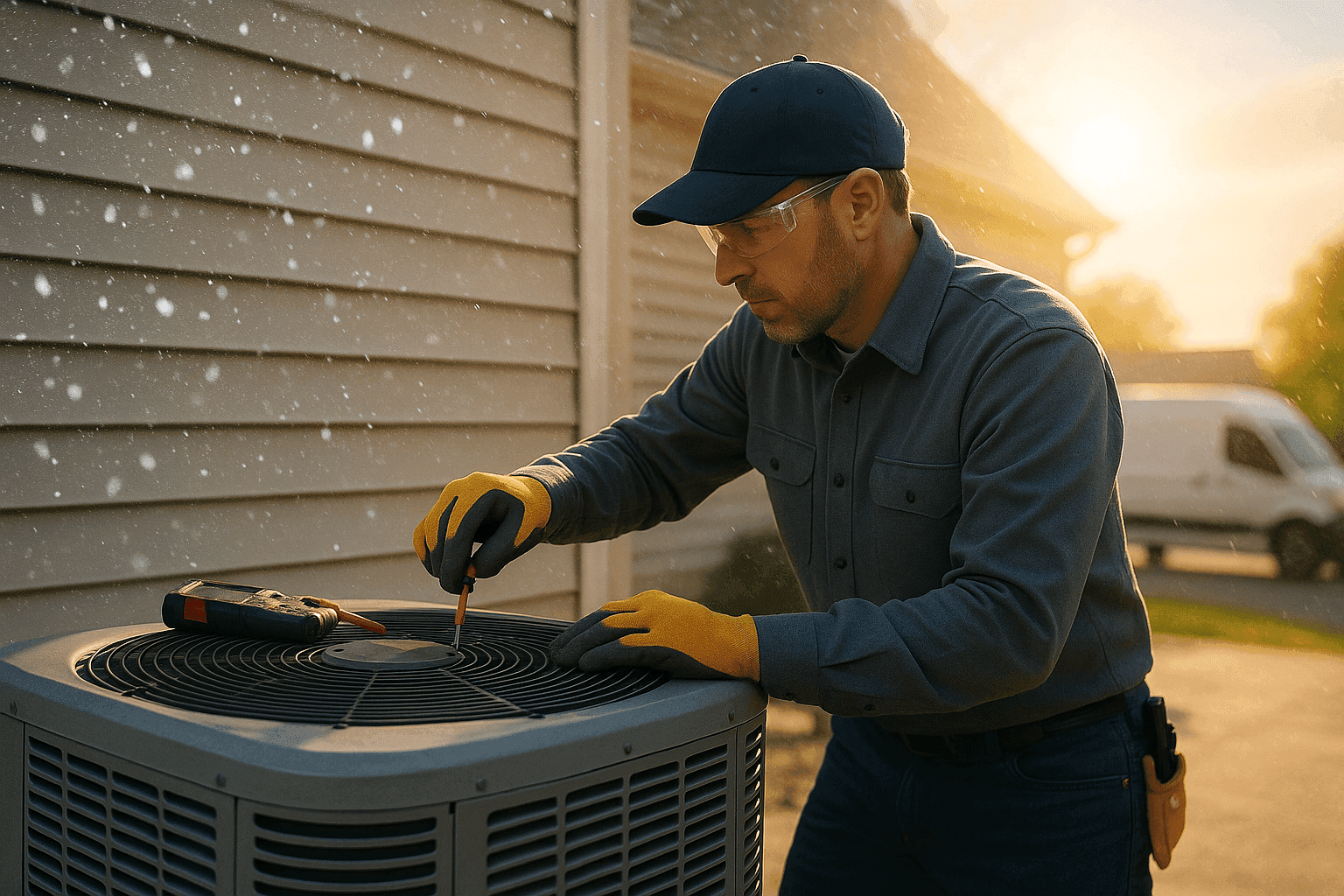
When the weather turns wild, your HVAC system becomes more than a luxury—it’s your lifeline. Whether it’s a blistering heatwave, a bone-chilling freeze, or a storm that knocks out the power, being ready can make all the difference between comfort and chaos.
At CJC Heating & Air, we know the stakes are high. The right preparation can keep you safe, protect your investment, and save you from costly emergency hvac repairs. Let’s break down exactly how you can get your HVAC system storm-ready—so you’re never left in the cold (or the heat).
Why Preparing Your HVAC System Matters
Picture this: The temperature outside is climbing fast. Suddenly, your AC fails. Or maybe a winter storm sweeps in, and your furnace sputters out. These aren’t just inconveniences—they’re hazards. Extreme weather puts enormous stress on your heating and cooling equipment. Without preparation, you risk:
- System breakdowns right when you need them most
- Expensive emergency hvac repairs
- Unsafe indoor temperatures
- Poor air quality from neglected filters or duct leaks
The good news? A few smart steps can help you avoid disaster and keep your system humming, no matter what Mother Nature throws your way.
Seasonal HVAC Inspection and Maintenance 🛠️
Think of your HVAC system like a marathon runner. It needs regular tune-ups to perform its best under pressure. Seasonal inspections are your first line of defense.
Key Maintenance Steps:
- Replace or Clean Filters: Dirty filters choke airflow and force your system to work harder. Change them every 1–3 months, as recommended by ENERGY STAR® and most manufacturers.
- Inspect Ductwork: Look for loose connections, leaks, or blockages. Leaky ducts can waste up to 30% of conditioned air, according to the U.S. Department of Energy.
- Check Thermostat Settings: Make sure your thermostat is accurate and programmed for energy savings and comfort.
- Test System Components: Listen for odd noises, check for unusual smells, and ensure your system cycles on and off normally.
- Clear Outdoor Units: Remove leaves, snow, or debris that could block airflow around your AC or heat pump.
- Schedule Professional Maintenance: A licensed technician will inspect electrical connections, refrigerant levels, and safety controls, following guidelines from organizations like ASHRAE and the Air Conditioning Contractors of America.
Regular maintenance doesn’t just improve performance—it can extend the life of your system and lower your energy bills.
Protecting Your HVAC from Power Outages
When storms hit, power outages often follow. Losing electricity can leave your home sweltering or freezing—and may even damage your HVAC equipment.
What you can do:
- Install a Backup Generator: A standby generator keeps your system running when the grid goes dark. Make sure it’s sized correctly for your HVAC load and installed by a qualified electrician.
- Consider Battery Backups: For smaller systems or critical components like thermostats, battery backups provide short-term relief.
- Surge Protection: Sudden power returns can fry sensitive electronics. Install whole-home surge protectors to shield your investment.
- Know Your System’s Limits: Some HVAC units, especially heat pumps, may not restart automatically after an outage. Check your owner’s manual for restart procedures.
A little planning now can keep your family or business safe and comfortable—even when the lights go out.
Preventing Freeze Damage and Overheating
Extreme temperatures can wreak havoc on your HVAC system. Pipes can freeze and burst. AC units can overheat and shut down. But with the right steps, you can protect your equipment.
For Cold Snaps:
- Insulate Pipes: Wrap exposed refrigerant and water lines to prevent freezing.
- Set Thermostats Wisely: Don’t set your thermostat too low, even if you’re away. The U.S. Department of Energy recommends 55°F as a minimum in winter to prevent frozen pipes.
- Keep Air Moving: Run your system’s fan to circulate warm air and reduce cold spots.
- Know Where Shutoffs Are: In an emergency, you may need to turn off water or power quickly.
For Heatwaves:
- Shade Outdoor Units: Use awnings or landscaping to shield condensers from direct sun—but keep airflow clear.
- Seal Windows and Doors: Prevent cool air from escaping and hot air from sneaking in.
- Program Thermostats: Set higher temps when you’re away. Every degree helps reduce strain on your AC.
- Schedule Preventive Service: Older units are more likely to fail in extreme heat. Have a pro check refrigerant levels and electrical connections before summer hits.
Emergency Response Planning 🚨
When the weather shifts suddenly, every minute counts. Having a plan can help you act fast and minimize damage.
Emergency Steps to Take:
- Stay Calm: Panic can lead to mistakes. Take a breath and assess the situation.
- Shut Off Equipment if Needed: If you suspect flooding, electrical issues, or gas leaks, turn off your HVAC system at the breaker or gas valve.
- Check for Obvious Hazards: Look for water, ice, or debris around your equipment.
- Call for Emergency HVAC Help: If you lose heating or cooling during dangerous weather, contact a 24/7 emergency hvac provider like CJC Heating & Air right away.
- Document Damage: Take photos and notes for insurance or repair records.
Don’t forget to keep emergency numbers handy and make sure everyone in your home or business knows the plan.
Quick Safety Checklist
- Change HVAC filters regularly
- Test smoke and carbon monoxide detectors
- Clear vents and returns of obstructions
- Check for visible leaks or corrosion
- Know how to shut off your system safely
- Store emergency contact numbers in your phone
A few minutes now can prevent hours of stress later.
DIY vs. Call a Pro
Some tasks are simple. Others? Not so much. Here’s how to know when it’s time to roll up your sleeves—and when to call in the cavalry.
Safe DIY Tasks
- Replacing filters
- Clearing debris from outdoor units
- Checking thermostat batteries
- Sealing minor duct leaks with approved tape
When to Call a Professional
- Electrical issues or repeated breaker trips
- Refrigerant leaks (never handle refrigerants yourself)
- Strange noises, burning smells, or system shutdowns
- Generator installation or integration
- Duct cleaning, IAQ (indoor air quality) testing, and balancing
Professional technicians follow safety codes from organizations like the National Fire Protection Association (NFPA) and Occupational Safety and Health Administration (OSHA). When in doubt, call for help.
What Pros Do On Arrival
When you call CJC Heating & Air for emergency hvac service, here’s what to expect:
- Full System Inspection: We check inside and out, from thermostats to ductwork.
- Diagnostic Testing: Using industry tools to pinpoint the problem fast.
- Safety Checks: Looking for gas leaks, electrical hazards, or carbon monoxide risks.
- Immediate Repairs: Many issues can be fixed on the spot, with your approval.
- Clear Communication: We explain what went wrong, what we did, and how to keep things running smoothly.
Our technicians stay up-to-date with manufacturer recommendations and safety standards, so you’re in good hands.
Prevention & Maintenance
The best emergency is the one you never have. Preventive care is like an umbrella in a storm—maybe you won’t need it, but you’ll be glad it’s there.
Long-Term Strategies:
- Annual Tune-Ups: Schedule professional maintenance before summer and winter.
- Duct Cleaning: Keeps air flowing freely and improves indoor air quality.
- Upgrade Aging Equipment: Older systems are more likely to fail under stress. Consider replacing units over 10–15 years old.
- Install Smart Thermostats: Modern controls can alert you to problems before they become emergencies.
- Home Energy Audits: Identify weak spots in insulation, sealing, and airflow.
Following guidelines from ENERGY STAR® and HVAC manufacturers helps keep your system efficient, safe, and ready for anything.
Costs & Time Factors
Emergency hvac repairs can be a surprise—for your wallet and your schedule. Here’s what to expect:
- Time: Simple fixes (like replacing a capacitor or relay) may take less than an hour. Complex repairs or parts replacements can take several hours or require a follow-up visit.
- Cost: Routine maintenance is always less expensive than emergency repairs. Costs vary by part, labor, and the severity of the issue. Generator installation, for example, is a larger investment but pays off during outages.
- Prevention Pays Off: Regular maintenance can catch small problems before they become big expenses.
Remember, investing in prevention is almost always cheaper—and less stressful—than waiting for a breakdown.
When It’s an Emergency
Not every HVAC problem is urgent. But some situations call for immediate action:
- No heat during freezing temperatures
- No cooling during dangerous heat
- Gas smells, burning odors, or electrical sparks
- Water leaks near electrical components
- Carbon monoxide alarms sounding
If you’re unsure, err on the side of caution. Your safety and comfort come first.
FAQ: Extreme Weather & Emergency HVAC
Q: How often should I schedule HVAC maintenance?
A: At least twice a year—once before cooling season, once before heating season. More often if you have pets, allergies, or live in a high-dust area.
Q: Can I run my HVAC system during a power outage with a portable generator?
A: Only if the generator is properly sized and installed by a professional. Never connect a generator directly to your home’s wiring without a transfer switch.
Q: What’s the best thermostat setting during extreme weather?
A: In winter, set no lower than 55°F to avoid frozen pipes. In summer, 78°F balances comfort and energy savings, according to the U.S. Department of Energy.
Q: How do I know if my system can handle extreme weather?
A: Have a professional inspect and test your equipment. They’ll check for worn parts, refrigerant levels, and proper airflow.
Special Considerations for HVAC Emergency Preparedness
Every building is unique. Older homes may have drafty windows or aging ductwork. Businesses might need special ventilation or backup power for sensitive equipment. Consider:
- Indoor Air Quality: Storms can stir up dust, pollen, and mold. Air scrubbers, filters, and IAQ testing can help.
- Humidity Control: Dehumidifiers and humidifiers keep air comfortable and prevent damage.
- Sheet Metal & Ductwork: Custom solutions may be needed for unusual layouts or historic properties.
- Geothermal & Radiant Systems: These require special care—ask your technician about extreme weather protocols.
No matter your setup, a little planning goes a long way.
Ready to storm-proof your comfort? Call CJC Heating & Air now — or reach us anytime at 888-908-1851 .