Essential HVAC Maintenance Tips to Extend System Lifespan and Save Energy
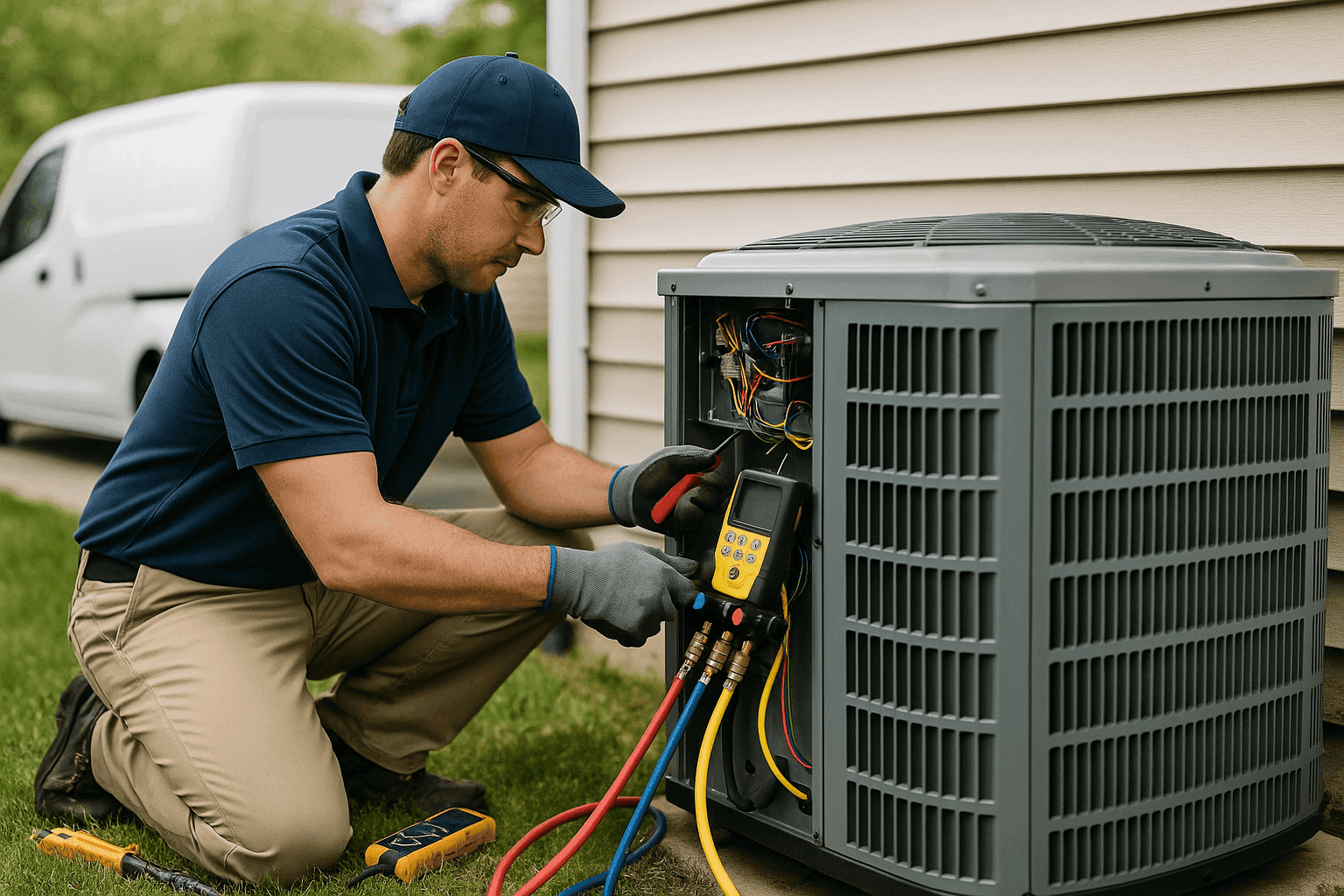
When your heating or cooling system goes quiet on a freezing night or during a sweltering afternoon, it’s more than an inconvenience. It’s a scramble. Suddenly, comfort and safety are on the line. At CJC Heating & Air, we know how crucial a reliable HVAC system is for your peace of mind—day or night.
But what if you could avoid those emergency hvac calls altogether? With the right maintenance, you can. Let’s break down the essentials so your system lasts longer, runs smoother, and keeps energy bills in check.
Why Regular HVAC Maintenance Matters 🛠️
Think of your HVAC as the heart and lungs of your home or business. Just like you wouldn’t skip a checkup with your doctor, your heating and cooling system needs regular attention to stay healthy.
The Real Cost of Neglect
- Higher Bills: Dust, dirt, and worn parts make your system work harder. That means more energy, more money out of your pocket.
- Unexpected Breakdowns: Small issues snowball into big, expensive emergencies—often at the worst possible time.
- Shorter Lifespan: Without care, your system ages faster, forcing you into premature replacements.
- Poor Indoor Air Quality: Dirty filters and ducts spread allergens, dust, and even mold, affecting your health and comfort.
Regular maintenance is like changing the oil in your car. It keeps everything running efficiently, safely, and for as long as possible.
Seasonal HVAC Maintenance Checklist
Your HVAC system faces different challenges each season. Here’s how to keep it ready, year-round.
Spring
- Replace air filters.
- Clear debris from around outdoor units.
- Check thermostat settings.
- Inspect ductwork for leaks.
- Schedule a professional system inspection.
Summer
- Clean or change filters monthly.
- Make sure vents are open and unblocked.
- Listen for unusual noises.
- Check refrigerant lines for insulation.
- Test your AC before the first major heatwave.
Fall
- Replace filters again.
- Inspect and clean burners and heat exchangers.
- Test carbon monoxide detectors.
- Check for drafts around windows and doors.
- Schedule a furnace tune-up.
Winter
- Keep outdoor units free of ice and snow.
- Replace filters if needed.
- Monitor for strange smells or noises.
- Make sure vents and registers are clear.
- Watch for thermostat issues.
Air Filter Replacement and Duct Cleaning
Air filters are like the bouncers of your HVAC system—they keep out dust, pollen, and debris. But when they’re clogged, airflow drops and your system strains just to breathe.
Why Filters Matter
- Efficiency: A clean filter can lower your AC’s energy use by up to 15%, according to the U.S. Department of Energy.
- Air Quality: Filters trap allergens, dust, and pet dander, helping everyone breathe easier.
- System Health: Dirty filters force your system to work harder, risking overheating and breakdowns.
Tip: Check your filter every month, especially during heavy use. Replace it at least every 90 days—or more often if you have pets or allergies.
Duct Cleaning
Ducts are hidden highways for air. Over time, they collect dust, mold, and even pests. Professional duct cleaning removes buildup, improving both airflow and air quality. The National Air Duct Cleaners Association recommends cleaning as needed, especially after renovations or if you notice dust blowing from vents.
Professional HVAC Inspection and Tune-Up
You can do a lot yourself, but some things are best left to the pros. A professional tune-up is like a pit stop for your system—quick, thorough, and essential.
What to Expect
- Full System Check: Technicians inspect electrical connections, motors, belts, and safety controls.
- Refrigerant Levels: Too much or too little can damage your AC.
- Thermostat Calibration: Ensures accurate temperature control.
- Cleaning: Coils, blowers, and drain lines get special attention.
- Performance Test: The system is run through its paces to spot hidden issues.
Having a certified technician look over your system at least once a year can catch problems early, saving you from costly emergency hvac repairs.
Energy-Saving Tips During HVAC Maintenance 💡
Small changes add up to big savings. Here’s how to trim your energy bills while keeping things comfortable:
- Seal Leaks: Weatherstrip doors and windows to keep treated air inside.
- Upgrade Your Thermostat: Programmable models can cut energy use by up to 10% (ENERGY STAR).
- Use Ceiling Fans: They help distribute air, so your system doesn’t work as hard.
- Close Curtains: Block sun in summer, open them in winter for natural warmth.
- Keep Vents Clear: Don’t block airflow with furniture or rugs.
- Schedule Regular Maintenance: Prevents energy waste from worn parts or dirty filters.
When to Call for Emergency HVAC Service 🚨
Some issues can’t wait. Here’s when to pick up the phone right away:
- No Heat or Cooling: If your system stops working during extreme weather, call immediately.
- Strange Smells: Burning, musty, or rotten egg odors can signal danger.
- Unusual Noises: Banging, screeching, or grinding sounds aren’t normal.
- Water Leaks: Pooled water can mean a clogged drain or refrigerant issue.
- Electrical Issues: Flickering lights or tripped breakers need urgent attention.
- Carbon Monoxide Alarms: If your detector goes off, evacuate and call for help.
Don’t risk your comfort or safety. CJC Heating & Air is ready 24/7 for emergency hvac needs.
Frequently Asked Questions
How often should I replace my HVAC filter?
Most filters should be replaced every 1–3 months. If you have pets, allergies, or run your system constantly, check monthly.
Do I really need professional maintenance every year?
Yes. Annual inspections catch small problems before they become big ones. It’s also required by many equipment warranties and recommended by organizations like ASHRAE.
Can dirty ducts make me sick?
Dirty ducts can circulate dust, pollen, mold, and other contaminants. This can trigger allergies or worsen asthma, especially in children and older adults.
What’s the difference between maintenance and repair?
Maintenance is routine care—cleaning, checking, and tuning up. Repair is fixing something that’s broken. Regular maintenance helps you avoid costly repairs down the road.
Special Considerations for HVAC Maintenance
- Generators: If you have a backup generator, schedule regular checks to ensure it’s ready when you need it most.
- Thermostats: Smart thermostats offer better control and can alert you to system problems.
- Indoor Air Quality: Consider upgrades like air scrubbers, dehumidifiers, or humidifiers if you notice stale air, excess moisture, or static electricity.
- Sheet Metal & Ductwork: Custom ductwork may need special attention to prevent leaks or hot/cold spots.
- Geothermal & Radiant Heating: These systems require specialized maintenance—always use technicians trained for your equipment.
Take the Next Step Toward Comfort and Savings
Don’t wait for an emergency hvac situation to take action. Simple maintenance today means fewer surprises tomorrow, lower bills, and a healthier home or business.
Call CJC Heating & Air now — or reach us anytime at 888-908-1851 .